Baby Social & Emotional Milestones: From First Smile to Separation Anxiety
Baby Social & Emotional Milestones: From First Smile to Separation Anxiety
First they smile at you. Then they cry when you leave. Then they laugh at their own farts. Emotional development is a journey.
Your baby's social and emotional development is just as important as physical milestones—maybe more so. Here's what to expect as your tiny human develops feelings, preferences, and a personality all their own.
Social-Emotional Development: Month by Month
Months 1-2: First Connection
- Gazes at faces (especially yours)
- Calms when held or when hearing your voice
- First social smile (6-8 weeks)—responds to your face
- Beginning attachment: Recognizes primary caregivers
- Cries to communicate needs
Months 3-4: Social Butterfly Emerging
- Smiles spontaneously at people
- Enjoys social play (peek-a-boo beginnings)
- Laughs—real belly laughs!
- Copies some expressions (try sticking out your tongue)
- Shows excitement with arm waving, kicking
- May fuss when play stops
Months 5-6: Preferences Appear
- Knows familiar vs. unfamiliar people
- May be wary of strangers (totally normal)
- Responds to emotions—looks concerned at angry tone
- Enjoys looking at self in mirror
- Reaches to be picked up
- Shows happiness and displeasure clearly
Months 7-9: Attachment Intensifies
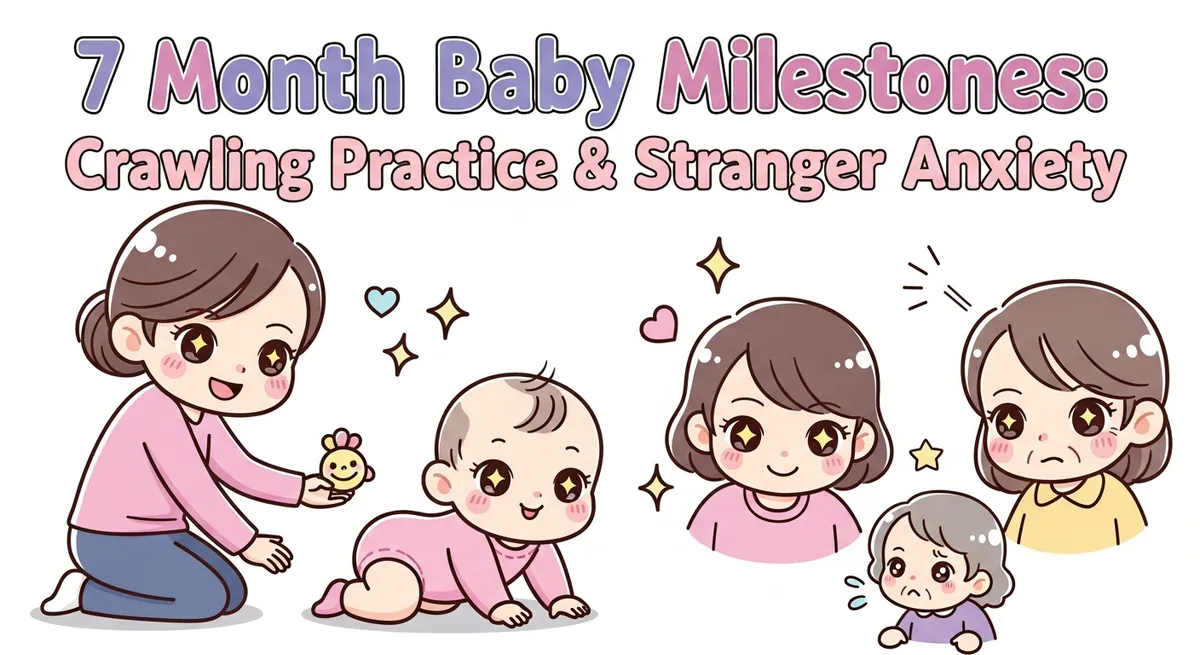
- Separation anxiety begins—may cry when you leave the room
- Stranger anxiety peaks—clings to familiar people
- Strong preferences for primary caregivers
- Joint attention: Looks where you point
- Shares enjoyment: Shows you toys, looks back to share reactions
- Fear responses developing (loud noises, unfamiliar situations)
Separation Anxiety Is Healthy:
It means attachment is forming properly. Your baby understands object permanence (you exist even when gone) and has strong preferences (they want YOU). This peaks around 8-10 months and gradually eases.
Months 10-12: Little Person Emerges
- Tests reactions: Does something, watches your face
- Shows affection: Hugs, kisses, cuddles
- May have favorite toy/object (transitional object)
- Plays simple social games (pat-a-cake, wave bye-bye)
- Shows frustration when wants aren't met
- Checks for approval: Looks to you before doing things
- Imitates actions (pretend phone, brushing hair)
Key Social-Emotional Milestones: Summary Table
| Age | Milestone | What It Looks Like |
|---|---|---|
| 6-8 weeks | Social smile | Smiles back when you smile |
| 3-4 months | Laughing | Real belly laughs at play |
| 5-6 months | Stranger awareness | Studies unfamiliar faces cautiously |
| 6-7 months | Reaches to be held | Arms up when they want you |
| 7-9 months | Separation anxiety | Cries when you leave |
| 8-10 months | Stranger anxiety peak | Clings, hides face from unfamiliar people |
| 9-12 months | Social referencing | Looks to you to gauge reactions |
| 12 months | Shows affection | Hugs, kisses, cuddles deliberately |
Supporting Social-Emotional Development
What Actually Helps:
- Respond to cues: When baby cries, responds promptly. This builds trust.
- Face-to-face time: Get on their level. Make eye contact. Be present.
- Narrate emotions: "You're frustrated that toy is stuck. That's hard."
- Interactive play: Back-and-forth games (peek-a-boo, pat-a-cake)
- Read their body language: Learn their signals for tired, hungry, overstimulated
- Consistent routines: Predictability helps babies feel secure
- Physical affection: Cuddles, skin-to-skin, gentle touch
What to Avoid:
- Ignoring crying: Babies can't "manipulate"—they're communicating needs
- Forcing interactions: Let baby warm up to new people at their own pace
- Overstimulation: Watch for signs they need a break
- Screens as connection replacement: They need human interaction
Common Concerns
"My Baby Doesn't Like Anyone but Me"
Normal in the second half of the first year. Strong attachment to primary caregivers is healthy development. Give them time to warm up to others without forcing it.
"They Cry Every Time I Leave"
Separation anxiety is developmentally appropriate. Keep goodbyes brief and confident. They usually calm within minutes of your departure. It gets better with time.
"My Baby Seems Shy"
Temperament varies. Some babies are naturally more cautious. This isn't a problem to fix—it's a personality trait to respect. Slow introductions work better than pushing.
"They're Not Affectionate"
Some babies show love differently. Not all cuddle. Watch for other connection signs: eye contact, wanting to be near you, sharing reactions with you.
When to Check In:
Talk to your pediatrician if your baby: - Doesn't smile by 3 months - Doesn't make eye contact or seem interested in faces - Doesn't respond to your voice - Shows no signs of attachment to any caregiver by 9 months - Loses social skills they previously had
The Bottom Line
Remember This:
Social and emotional development is built through relationship. Every time you respond to your baby's needs, comfort their distress, and share in their joy, you're wiring their brain for healthy emotional regulation.
Attachment isn't spoiling. Responding isn't creating dependency. You're building the foundation for everything that comes next.
Related Articles
Continue exploring with these helpful resources