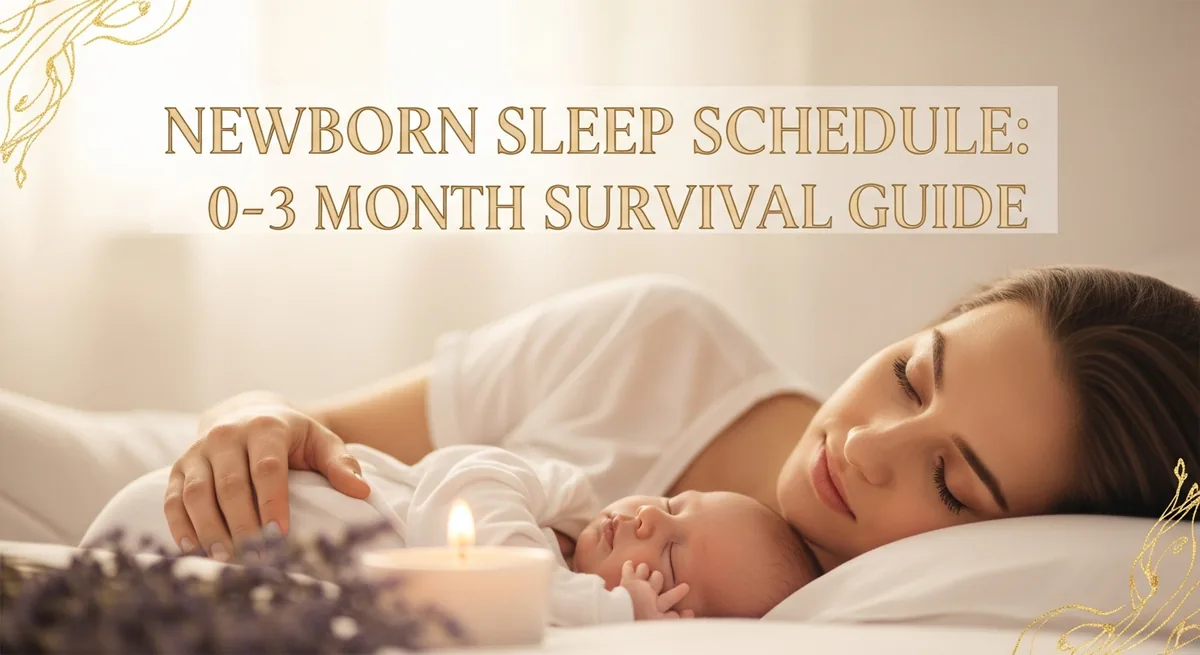
How to Get Your Newborn to Sleep in the Bassinet: The Reality Check Guide
How to Get Your Newborn to Sleep in the Bassinet: The Reality Check Guide
The Bassinet Reality: What Actually Happens
Look, I'm going to level with you right from the start. You probably bought that bassinet thinking your newborn would sleep in it. Maybe you even imagined peaceful nights with your baby within arm's reach, sleeping contentedly. Then your baby arrived, and after the first sleep, they decided the bassinet was their least favorite place on earth.
You're not alone. You're not doing anything wrong. And your baby isn't broken. This is one of the most common parenting challenges in the newborn phase, and it's way more about biology than bad luck.
Here's what actually happens: newborns have spent 9 months in a womb that's warm, dark, moving, and providing constant pressure and proximity. Then suddenly they're in a bassinet that's comparatively freezing, still, empty, and at arm's length. From their perspective, the bassinet is a demotion. Your body is a five-star hotel. The bassinet is a park bench.
The good news? This is solvable. Not always easily, but solvable. And I'm going to walk you through what actually works, what's a waste of time, and when you should probably just accept that your baby is sleeping on you for the next few weeks.
Why Newborns Resist the Bassinet (It's Actually Logical)
Before we fix the problem, let's understand why your newborn is rejecting the bassinet in the first place. This isn't random chaos—there are real reasons.
Temperature Mismatch
Your body temperature is around 98.6°F. Your bassinet? Room temperature, probably 70-72°F. That's a 26-degree drop. Your newborn came from the womb, which was a constant 98.6°F. The bassinet feels like jumping into a cold pool. No wonder they cry.
Separation Anxiety (Real, Not Imagined)
Newborns haven't developed object permanence—they don't understand that you still exist when they can't see you. When you put them down, from their perspective, you've disappeared. This is genuinely terrifying to a newborn.
Womb Dependence
Babies spent 9 months experiencing constant motion, sound, and physical pressure. The bassinet offers none of this. It's too quiet, too still, too open. Their nervous system hasn't adapted to independence yet.
Physical Discomfort
Sometimes it's not psychological—it's physical. Reflux, gas, colic, allergies, or just the wrong sleep position can make the bassinet uncomfortable. A flat sleeping surface might be triggering reflux. The angle might be pressing on their tummy. These things matter.
Feeding Schedule Confusion
Here's a secret: 40% of bassinet refusal is actually hunger. Your newborn "wakes up" (gets put in the bassinet) and immediately wants to eat. They're not rejecting the bassinet—they're asking for food. Feed first, bassinet second.
Temperature Management: The Most Underrated Solution
If there's one thing that actually moves the needle on bassinet sleep, it's temperature. This is not fancy or complicated. It's just physics.
The Pre-Warming Technique
About 20 minutes before you plan to put baby down, place a heating pad on the bassinet mattress set to medium-low. Let it warm up. REMOVE the heating pad before you place your baby down (you don't want baby on active heat). What you've done is create a warm nest—it's now 80-85°F instead of 70°F. That's the difference between "eww, cold" and "oh, this is comfortable."
Room Temperature Optimization
The ideal room temperature for a newborn is 68-72°F. Below 68 and the bassinet feels too cold. Above 72 and baby overheats. If your nursery runs cold, a small space heater on low can help. If it runs hot, a ceiling fan helps with air circulation.
Layering Strategy
Start with a fitted sheet, then add a soft mattress pad or wool liner (designed for babies) underneath. This creates insulation. Skip the crib bumpers and blankets—those aren't safe—but do create a warm sleep surface.
Sleep Sack Over Blankets
Instead of blankets, use a sleep sack (wearable blanket). It keeps baby warm while eliminating loose fabric that's a SIDS risk. Babies sleep better when they're warm but not overheated—sleep sacks hit that sweet spot.
Transfer Techniques That Actually Work
Okay, you've warmed the bassinet and your baby is sleepy. Now for the transfer. This is where most parents fail because they rush it.
The Warm Transfer Method
Hold your baby skin-to-skin for 10-15 minutes after feeding. This does two things: (1) it helps with digestion and gas, and (2) it gets your baby into deep sleep. A baby in light sleep will wake up when you move them. A baby in deep sleep often won't. You know they're in deep sleep when their limbs go limp and their breathing becomes slow and regular.
The Slow Placement Technique
When you transfer your sleeping baby, lower them bottom-first into the bassinet. This maintains contact and reduces the shock of the drop. Once their bottom is settled, slowly release your hands—but keep one hand on their chest for 30-60 seconds. This transition time matters. Don't rush it.
The Hand Contact Method
Position the bassinet right up against your bed so you can touch your baby without getting up. Many newborns will stay asleep as long as they can feel your hand on their chest or belly. This is a beautiful middle ground between contact sleep and independent sleep.
The Delayed Transfer Tactic
Some babies will sleep in the bassinet if you wait 20-30 minutes after they fall asleep. This gives them time to transition from light to deep sleep. Feed to sleep, wait, then transfer. It's slow, but it works for some babies.
The Surface Trick
Place a lambskin (baby-safe) or warm blanket under your baby (not over). This creates a soft, warm surface that mimics contact. As your baby adjusts, you can gradually transition to just the mattress. It's a bridge solution, not a permanent one.
Realistic Timeline: What to Expect by Age
One of the biggest sources of parental stress is having unrealistic expectations about when bassinets should work. Let's be honest about the timeline.
Weeks 1-2: Don't Expect It
Most newborns will not sleep in a bassinet alone during this period. This is normal, not a failure. Their nervous system is still adjusting. Focus on safe contact sleep, feeding on demand, and surviving.
Weeks 3-4: Occasional Success
You might get some bassinet naps, especially after successful temperature management and deep sleep transfers. Celebrate these wins, but don't expect consistency.
Weeks 5-8: More Realistic
Around week 5, more newborns start tolerating bassinet sleep, especially after feeding. You might get 30-90 minute stretches. This is progress.
2-3 Months: Actually Achievable
By 8-12 weeks, most babies can handle bassinet sleep for 3-4 hour stretches, especially if they're fed, warm, and the temperature is right. Some will, some won't—there's still huge variation.
3-4 Months: Becoming Normal
By 3-4 months, bassinet sleep should be more consistent, though some babies will still prefer contact. This is when you can start thinking about actual sleep schedules and routines.
Myths About Newborn Bassinet Sleep (Debunked)
Myth #1: "You'll Spoil Your Newborn by Holding Them While They Sleep"
This is one of the most damaging myths in parenting. Newborns have zero ability to be spoiled. They're not manipulating you—they need contact to regulate their nervous system. Hold your baby while they sleep. This is normal, healthy, and developmentally appropriate.
Myth #2: "White Noise Solves Bassinet Problems"
White noise helps. But it's not a magic wand. A warm bassinet and a full baby matter more than sound. Use white noise as one tool, not the solution.
Myth #3: "Consistency Will Make Any Baby Accept the Bassinet"
Some babies have reflux, gas, or sensory sensitivities that genuinely make bassinets uncomfortable. Some are just temperamentally more dependent. Consistency helps, but it's not a guarantee.
Myth #4: "Sleep Training Should Start at Birth"
Newborns can't be trained. Their brains aren't developed enough for it. You're not failing by not sleep training a newborn—you're being realistic about infant neurology.
Myth #5: "If the Bassinet Doesn't Work, You're Doing Something Wrong"
Many perfectly healthy, well-adjusted babies just don't like bassinets. This is not a reflection on your parenting. Babies have preferences and temperaments from birth.
Frequently Asked Questions About Newborn Bassinet Sleep
Q1: How long can a newborn safely sleep in a bassinet?
As long as the bassinet is safe (firm surface, no loose items) and your baby is fed and comfortable, there's no time limit. Some newborns will sleep 2-3 hours; others will only sleep 45 minutes. Go with what your baby does, not what you think they should do.
Q2: Is it okay to hold my newborn while they sleep instead of using the bassinet?
Absolutely. Especially in the first 4-6 weeks, holding your baby while they sleep is safe, healthy, and developmentally appropriate. You're not creating bad habits—you're meeting their developmental needs.
Q3: Should I use a sleep positioner or wedge in the bassinet?
No. The American Academy of Pediatrics recommends a firm, flat, bare sleep surface. Skip the wedges, positioners, and pillows. If your baby has reflux, talk to your pediatrician about safe positioning alternatives.
Q4: Why does my baby sleep in the bassinet sometimes but not others?
Feeding schedule, temperature, comfort, developmental changes, and just luck all play a role. Babies aren't robots. Consistency helps, but expect variation.
Q5: When should I move from bassinet to crib?
Once baby outgrows the bassinet (usually 4-6 months) or can roll over, transition to a crib. There's no rush. Bassinets are perfectly fine as long as they're safe and working for your family.
Q6: Is bassinet refusal a sign of a sleep problem?
Not at all. Many babies who eventually become excellent sleepers went through a bassinet rejection phase. It usually resolves between 2-3 months as baby's nervous system matures.
Q7: What if my baby will only sleep on me?
That's normal newborn behavior. While you work on bassinet transitions, safe contact sleep is perfectly acceptable. Your baby will eventually sleep independently—this phase doesn't last forever.
The Bottom Line
The bassinet battle is real. Some babies take to them immediately. Others reject them completely. Most end up somewhere in the middle—occasional bassinet success mixed with nights of holding a sleeping baby.
Here's what actually matters: (1) A safe sleep environment (firm surface, bare crib, appropriate temperature), (2) A fed baby (hunger is 40% of newborn sleep issues), (3) A warm baby (temperature makes a massive difference), and (4) Proximity when possible (your baby craves closeness).
The bassinet sleep will come, or it won't. Your baby will eventually sleep in a real bed. You're doing better than you think.
Ready to learn more about newborn sleep science, understanding sleep cycles, and what's actually normal at each stage? Download the SoulSeed app and explore our complete newborn sleep guides. Because sometimes the best parenting decision is understanding what your baby actually needs instead of forcing what you think should work. 💙